Years of Cardboard Guidance Overturned
Pizzagate
An investigation into why your pizza box suddenly became recyclable, which recycling rules you may have misunderstood, and what else has quietly changed while no one was looking.
For months now, the question has hung over Madison.
In the quiet moments after someone finishes a pizza and stands over the garbage and recycling bins holding an empty box: Wait. We recycle these now?
For years, the rule seemed settled. Clean cardboard, yes. Greasy pizza box, absolutely not. The grease would ruin the recycling. Everyone knew this. Some of us almost certainly corrected other people about it with unnecessary confidence.
And then, with little explanation beyond a few panicked Reddit posts, greasy pizza boxes suddenly became recyclable.
The neighborhood adjusted outwardly. Privately, questions remained.
What changed? Did scientists solve grease? Had cardboard technology advanced? Were the old rules wrong? Had we been throwing perfectly good pizza boxes in the garbage for years?
The Monroe Street Tattler finally demanded answers. So we got in touch with Sam Wordette, Program Director at Sustain Dane, to find out what exactly happened.
The explanation, it turns out, is less about a breakthrough in cardboard science and more about something far more powerful:
Someone wants to buy them now.
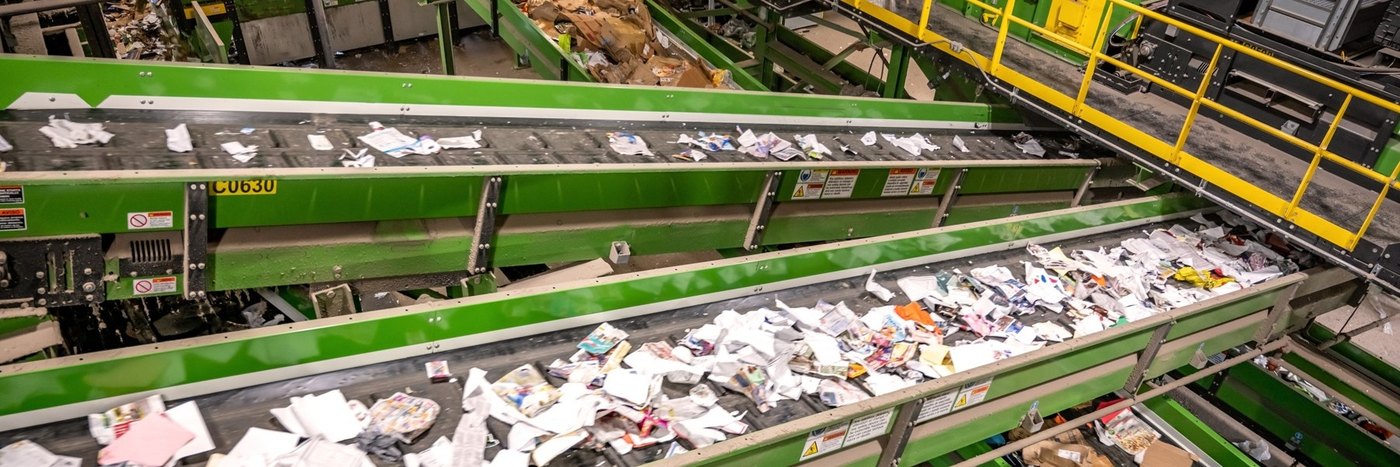
After our recycling is collected, it goes to a material recovery facility, or MRF, where materials are sorted and eventually sold to manufacturers. Recycling works, in part, because there is a market for the stuff we put in the bin. Aluminum cans have buyers. Bottles have buyers. And now, apparently, greasy pizza-box cardboard has buyers too.
There became a market for the material, making it worthwhile for recycling facilities to collect it.
The grease itself, therefore, has been cleared.
The cheese has not.
Grease: Acceptable. Cheese: Too Far.
Pizza boxes can go into recycling, but actual food still needs to come out. Cheese, crust and other pizza remains are not part of the new era of cardboard freedom.
Wordette adds one caution the Tattler is obliged to pass along: “This may not be the case everywhere you go, which is why I stress the importance of checking your local recycling guidelines.”
And if that distinction feels oddly specific, it is only the beginning.
Your Good Intentions May Be Part of the Problem
There is a name for the practice of standing over the recycling bin with an object of uncertain status and thinking, “I’ll put it in there. Surely they can figure it out.”
It is called wish-cycling.
And it is not helping.
Non-recyclable items can slow down the sorting process and can even create hazards for workers at recycling facilities. The official advice is not “recycle it just in case.”
It is the opposite.
When in doubt, throw it out.
This may be difficult news for residents who have spent years placing questionable objects into the recycling bin as an act of optimism. The Tattler regrets to report that optimism is not an accepted recycling habit.
Among the things that should not go in your recycling: red Solo cups, plastic film, bubble wrap, and objects smaller than roughly a standard 3-by-3-inch sticky note.
The Solo cup rule, however, comes with an annoying recycling footnote. The familiar red cups are typically made from #6 plastic, which Madison does not recycle. But plastic cups marked #1, #2 or #5 can go in the recycling here because there are markets for those materials.
Meanwhile, some things you may have been throwing away are welcome: junk mail and envelopes, even ones with the little plastic window; receipt paper; cartons, including juice boxes, milk and soup; and clean paper coffee cups with the plastic lid removed.
So why does a sticky note now appear to be an official unit of municipal measurement?
The answer, increasingly, is: because sorting machines exist.
Recycling is not simply a giant pile where good materials are separated from bad materials through civic virtue. There are machines doing the sorting, along with actual human beings working on sorting lines and pulling out contaminants and materials the machinery cannot handle.
Once that is understood, several of the stranger recycling rules begin to make more sense.
One of Wordette’s rules of thumb: flatten paper and cardboard, but leave other recyclables in their normal three-dimensional shape.
For residents who do not wish to earn a degree in materials recovery, the Tattler has condensed the guidance into three easy rules:
The Three Commandments
- Bigger than a sticky note.
- Flatten paper/cardboard. Leave everything else alone.
- When in doubt, throw it out.
Which means the Tattler began this investigation hoping to settle the pizza-box question once and for all. Instead, we learned that recycling rules change, markets matter, machines have preferences, several things we confidently recycled should never have been there, and several things we threw away were recyclable all along.
Still, one mystery has finally been resolved.
The next time you finish a pizza and find yourself standing over the bins, paralyzed by years of conflicting guidance, you may proceed with confidence.
Grease: yes.
Cheese: no.
A Public Service Announcement From Sam Wordette
Asked what one thing she wished everyone knew, Wordette did not reach for the pizza box. “One thing I wish everyone knew is that batteries can pose a great fire risk if thrown in the recycling.”
Batteries hold a residual charge. If their terminals touch metal or one another they can spark, and they do it surrounded by paper. Fires involving batteries are becoming more common at recycling facilities.
So: batteries never go in the recycling cart. Take them to a drop-off location regularly rather than letting them collect at home, which carries its own risk.
Recycle Better, taught by Sustain Dane with the City of Madison Streets Division, is two 90-minute online sessions that end with you a certified Recycling Steward. Tuition is $15, and Sustain Dane will waive it if cost is a barrier. This year’s classes are full. Next year’s open at sustaindane.org.
Visit Sustain Dane →